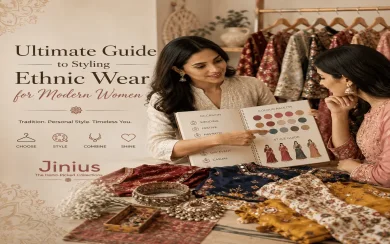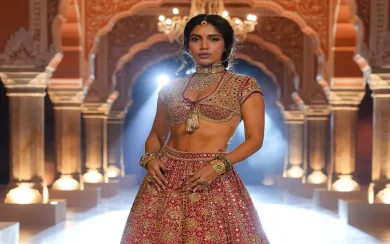

Ethnic wear has always been an essential part of every woman’s wardrobe. From traditional sarees to trendy lehengas, ethnic outfits reflect culture, elegance, and beauty. Today, modern fashion allows you to style ethnic wear in unique and stylish ways.
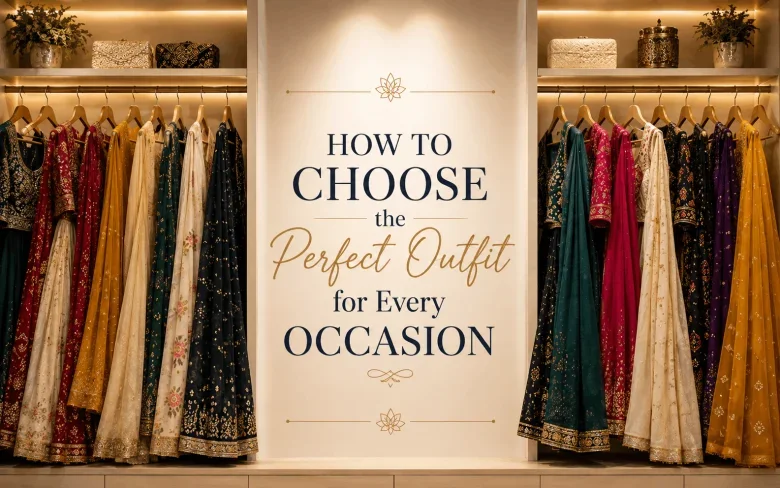
How to Choose the Perfect Outfit for Every Occasion
From vibrant Navratri Chaniya Cholis and elegant wedding lehengas to handcrafted blouses, statement dupattas, and graceful festive sarees, the right ethnic outfit can make every celebration feel even more special.
Indian celebrations are wonderfully diverse. A wedding may call for rich colours and elaborate craftsmanship, while Rakshabandhan may feel more comfortable and intimate. Navratri invites movement and vibrant colour, Diwali brings the warmth of gold and jewel tones, and festivals such as Vasant Panchami have their own distinctive colour traditions.
Choosing what to wear, therefore, is not simply about picking something beautiful.
It is about understanding the occasion, the atmosphere, the colours, the amount of movement involved, the time of day, and your own personal style.
At Jinius – The Hand-Picked Collection, we believe ethnic clothing should help you celebrate without making you feel like you are wearing someone else's style. Carefully chosen Chaniya Cholis, blouses, dupattas, colours, fabrics, and handcrafted details can be combined to create an outfit that feels both culturally connected and completely your own.
This guide will help you choose the right ethnic outfit and colour combination for weddings, Rakshabandhan, Navratri, Diwali, Ganesh Chaturthi, Rath Yatra, Durga Puja, Maha Shivratri, Dahi Handi, Holi celebrations, Dev Deepawali, Vasant Panchami, and many other cultural occasions.
📝 Introduction: The Occasion Should Guide Your Outfit
One of the easiest ways to choose an outfit is to first understand the occasion.
Ask yourself:
- Is it a formal celebration or a casual gathering?
- Will I be sitting, walking, dancing, or moving around?
- Is the event during the day or evening?
- Is the celebration traditional, contemporary, or a mixture of both?
- Does the occasion have a traditional colour association?
- Do I want my outfit to be subtle or make a statement?
- Will the outfit be worn for several hours?
Once you answer these questions, choosing the right combination becomes much easier.
For example, a heavily embellished lehenga may be perfect for a wedding reception but unnecessary for a small family gathering. A flowing Chaniya Choli may be ideal for Navratri because of its movement, while a lighter blouse-and-skirt combination might be more comfortable for a daytime celebration.
The perfect outfit is not necessarily the most elaborate one. It is the one that feels right for the occasion.
💍 1. Wedding & Festive Wear
Weddings are among the best occasions to embrace traditional Indian fashion.
Depending on the ceremony, you can explore sarees, lehengas, Chaniya Cholis, anarkalis, embroidered blouses, statement dupattas, and richly detailed ethnic sets.
Rich fabrics such as silk, velvet, brocade, georgette, and other dressy textiles can add depth and elegance.
Styling Tips:
- Choose bright, jewel, or pastel colours depending on the function.
- Use embroidery, mirror work, or handcrafted embellishments for a festive appearance.
- Pair a statement blouse with a simpler skirt or saree.
- Add a beautifully coordinated dupatta.
- Choose statement jewellery when the outfit is relatively simple.
- Keep jewellery more restrained when your outfit already has heavy detailing.
Colour ideas for weddings
Deep red + gold:
Classic, traditional, and especially suitable for evening celebrations.
Emerald green + antique gold:
Rich without being overly bright.
Wine + blush pink:
A sophisticated combination for a contemporary wedding look.
Royal blue + silver:
Ideal for an elegant evening celebration.
Peach + ivory:
A softer choice for daytime functions.
The key is to think about the function within the wedding, rather than treating every wedding event the same.
🌼 2. Haldi Ceremony
Haldi celebrations are usually cheerful, colourful, and full of movement.
This is an excellent occasion for lighter, brighter ethnic outfits.
Colour palette:
- Yellow
- Mustard
- Marigold
- Lime
- Green
- Orange
- Pink
- Peach
A bright Chaniya Choli with a lightweight dupatta can work beautifully.
You can also choose a simple blouse with a vibrant skirt and colourful accessories.
Styling idea
Try a mustard Chaniya + green blouse + colourful dupatta.
Or choose a yellow base with contrasting pink or orange embroidery.
Because Haldi can involve turmeric, water, and plenty of activity, practicality matters too. Choose something that allows movement and that you will feel comfortable wearing throughout the celebration.
💃 3. Sangeet & Dance Functions
The Sangeet is where movement becomes an important part of styling.
This is the perfect time to choose an outfit that moves beautifully.
A flowing Chaniya Choli or lehenga with a generous flare can create a dramatic effect while dancing.
Look for:
- Comfortable waist fitting
- Lightweight fabrics
- A flowing skirt
- Secure dupatta styling
- Comfortable footwear
- A blouse that allows free arm movement
Colour combinations:
Fuchsia + orange + pink for a playful look.
Purple + green + blue for something vibrant.
Red + pink + gold for a classic festive appearance.
Royal blue + magenta for an energetic evening look.
Your outfit should look beautiful when standing still — but even better when you move.
🪢 4. Rakshabandhan: Festive but Comfortable
Rakshabandhan is usually more intimate than a large wedding celebration.
You may be visiting family, performing rituals, exchanging gifts, enjoying a meal, and spending time together.
This makes it an excellent occasion for comfortable ethnic elegance.
Outfit ideas:
- Simple saree with a statement blouse
- Chaniya with a lightweight blouse
- Cotton or lightweight ethnic skirt
- Kurta with a handcrafted dupatta
- Simple lehenga with minimal jewellery
Colour palette:
- Pink
- Peach
- Yellow
- Green
- Powder blue
- Ivory
- Coral
- Soft red
You don't necessarily need a heavily embellished outfit.
A beautifully crafted blouse paired with a simple skirt or saree can look far more sophisticated.
Jinius styling idea
Choose one handcrafted element as the hero of your outfit.
For example:
Simple saree + statement handcrafted blouse + minimal jewellery.
This keeps the outfit festive without making it feel overly formal.
🪔 5. Diwali: Elegant, Festive & Timeless
Diwali is one of the most versatile occasions for ethnic styling.
The celebration of lights naturally lends itself to colours and details that feel warm, rich, and luminous.
Colour palette:
- Deep red
- Maroon
- Emerald
- Royal blue
- Purple
- Mustard
- Rust
- Magenta
- Gold
- Ivory
For a traditional Diwali look, try a rich Chaniya Choli with handcrafted details.
For a more contemporary appearance, choose a simpler skirt with a beautifully designed blouse.
Diwali styling formula
Rich colour + handcrafted detail + elegant jewellery
is often enough.
You don't need to combine every festive element into one outfit.
If your blouse has statement shell or mirror detailing, keep the dupatta and jewellery relatively balanced.
🪷 6. Ganesh Chaturthi: Colourful & Joyful Ethnic Wear
Ganesh Chaturthi celebrations can range from intimate family gatherings to large community celebrations and processions.
For a home celebration, a comfortable saree, Chaniya Choli, or ethnic skirt-and-blouse combination works beautifully.
For larger celebrations, you can embrace brighter colours and more expressive styling.
Colour ideas:
- Red
- Orange
- Yellow
- Green
- Pink
- Magenta
- Peacock blue
A green Chaniya with a contrasting pink or orange blouse can create a lively festive look.
Alternatively, a simple solid-coloured outfit with a colourful handcrafted dupatta can provide the same festive energy without being overwhelming.
🛕 7. Rath Yatra: Comfortable Traditional Dressing
Rath Yatra celebrations, particularly the famous Rath Yatra associated with Puri, Odisha, involve large public gatherings and processions.
When dressing for a cultural or religious event involving walking and crowds, comfort should become a priority.
Instead of choosing an extremely heavy outfit, consider:
- Lightweight sarees
- Comfortable ethnic skirts
- Simple Chaniya Cholis
- Breathable blouses
- Lightweight dupattas
Colour direction
Traditional Indian clothing in red, yellow, white, orange, and green can create a festive appearance while remaining visually connected to the celebratory atmosphere.
For a long day outdoors, choose breathable fabrics and comfortable footwear.
Your outfit should allow you to participate in the celebration rather than constantly adjusting your clothing.
🔥 8. Maha Shivratri: Elegant, Understated & Graceful
Maha Shivratri has a more spiritual and devotional atmosphere.
Instead of choosing an extremely elaborate party-style outfit, many women may prefer something elegant and understated.
Colour palette:
- White
- Cream
- Ivory
- Grey
- Deep blue
- Indigo
- Green
- Muted earthy shades
A simple saree with a beautifully handcrafted blouse can create a sophisticated look.
You could also pair a muted Chaniya with a black, white, ivory, or deep-coloured blouse.
Styling philosophy
For occasions with a devotional atmosphere:
Let craftsmanship speak louder than excess.
A beautiful fabric, subtle embroidery, handcrafted blouse, and carefully selected jewellery can create an elegant appearance without looking overly dressed.
🧡 9. Kanwar Yatra: Practicality Comes First
For events involving significant walking, outdoor movement, or pilgrimage, clothing should prioritise comfort and practicality.
Rather than selecting a heavy lehenga or elaborate Chaniya Choli, consider lighter ethnic pieces.
Choose:
- Breathable fabrics
- Comfortable silhouettes
- Lightweight dupattas
- Easy-to-manage outfits
- Comfortable footwear
- Minimal jewellery
Saffron and orange are strongly associated with the Kanwar Yatra, so these shades can be incorporated thoughtfully when appropriate.
For example:
Simple orange dupatta + neutral ethnic outfit
can create a subtle connection to the colour palette without making the entire outfit orange.
🌿 10. Dahi Handi: Youthful, Comfortable & Playful
Dahi Handi celebrations are energetic and involve outdoor gatherings, crowds, music, and movement.
This is not necessarily the occasion for your most delicate or restrictive outfit.
A lightweight Chaniya, ethnic skirt, or simple Indo-fusion combination can work beautifully.
Colour ideas:
- Yellow
- Blue
- Green
- Orange
- Pink
- White
You can create a playful look using a bright skirt and contrasting blouse.
For example:
Royal blue skirt + yellow blouse + colourful dupatta
creates a youthful festive combination.
Keep the accessories manageable, especially if you expect to be outdoors or moving around.
🌈 11. Lathmar Holi: Colour, Movement & Comfort
Lathmar Holi in Barsana and Nandgaon is known for its distinctive cultural traditions and vibrant celebrations associated with Holi.
When styling for Holi-related celebrations, choose clothing where colour, movement, and practicality can coexist.
Ideal colour combinations:
- White + pink
- White + yellow
- White + green
- Pink + orange
- Yellow + blue
- Red + yellow
A simple white base with colourful embroidery can look particularly striking.
Styling tip
Don't choose an outfit simply because it looks beautiful in a photograph.
For a celebration involving colours and outdoor activity, choose something that allows you to move comfortably and enjoy the experience.
A lightweight Chaniya with a simple blouse can be an excellent option.
🌊 12. Dev Deepawali: Soft, Glowing & Elegant
Dev Deepawali in Varanasi is associated with the spectacular illumination of the ghats with countless diyas.
The atmosphere naturally lends itself to elegant, luminous styling.
Colour palette:
- Deep maroon
- Red
- Gold
- Ivory
- Mustard
- Royal blue
- Purple
- Emerald green
A deep-coloured saree or Chaniya Choli paired with subtle gold-toned jewellery can create a beautiful evening look.
Styling formula:
Deep base colour + subtle shimmer + traditional jewellery
Avoid overwhelming the outfit with too many competing embellishments.
Let the colour and silhouette create the drama.
🌺 13. Durga Puja: Traditional, Graceful & Expressive
Durga Puja is a celebration deeply associated with Bengali culture, community, art, music, and traditional dressing.
For a Durga Puja-inspired look, you can explore elegant sarees, traditional blouses, and rich red-and-white combinations.
Classic colour palette:
- White
- Ivory
- Red
- Vermilion
- Gold
A white or ivory saree with a red blouse is an instantly recognisable traditional combination.
For a more contemporary interpretation, you could reverse the balance:
Red skirt + ivory blouse + red or gold dupatta.
Jewellery
Traditional earrings, bangles, a statement necklace, or a bindi can complete the look.
The overall styling should feel graceful rather than excessive.
🌕 14. Annakut & Govardhan Puja: Earthy & Traditional
Govardhan Puja and Annakut celebrations are strongly connected to devotion, nature, food, and the story of Krishna and Govardhan Hill.
This makes earthy and natural colour palettes especially beautiful for styling inspiration.
Colour palette:
- Green
- Brown
- Mustard
- Yellow
- Rust
- Cream
- Orange
Try:
Mustard blouse + earthy brown Chaniya + green dupatta.
Or:
Rust skirt + ivory blouse + green handcrafted details.
These combinations feel festive without relying entirely on bright jewel tones.
🌼 15. Vasant Panchami: Let Yellow Take Centre Stage
Vasant Panchami is traditionally associated with Goddess Saraswati and the colour yellow.
This makes yellow a natural starting point when selecting an outfit for the occasion.
Shades to explore:
- Mustard
- Marigold
- Lemon yellow
- Soft pastel yellow
- Golden yellow
- Saffron
You don't necessarily need to wear yellow from head to toe.
Try:
Yellow blouse + ivory skirt
or
Mustard Chaniya + pink dupatta
or
Yellow saree + contrasting green blouse.
The idea is to allow yellow to become the visual focus while using other colours for balance.
🕉️ 16. Vaikuntha Ekadashi: Refined & Traditional
For temple visits and devotional occasions such as Vaikuntha Ekadashi, traditional dressing can be elegant without being overly elaborate.
Consider:
- Sarees
- Simple ethnic skirts
- Traditional blouses
- Lightweight dupattas
- Subtle jewellery
Colour palette:
- Yellow
- White
- Green
- Red
- Cream
- Gold
Choose breathable fabrics if you expect to spend considerable time walking or standing.
A beautifully handcrafted blouse can add sophistication to an otherwise simple outfit.
🌸 17. Attukal Pongala: Comfortable Traditional Dressing
Attukal Pongala in Kerala brings together a very large gathering of women for a traditional devotional celebration.
For such an occasion, comfort and practicality are especially important.
Consider lightweight ethnic wear that allows you to move and participate comfortably.
Colour inspiration:
- White
- Cream
- Off-white
- Soft yellow
- Green
- Red
A simple saree, comfortable ethnic skirt, or lightweight traditional combination can work beautifully.
Avoid unnecessary layers and extremely heavy embellishment if you expect to spend a long time outdoors.
🪷 18. Theyyam: Respect the Cultural Setting
Theyyam is a deeply rooted ritual tradition of Kerala, known for elaborate costumes, dramatic face painting, headgear, performance, and sacred cultural practices.
When attending a cultural event such as Theyyam, the priority should be respecting the local tradition and setting rather than attempting to imitate ceremonial attire.
For visitors, a modest and comfortable traditional outfit can be a better choice.
Styling approach:
- Choose simple ethnic wear.
- Avoid overly dramatic costume-like styling.
- Select breathable fabrics.
- Keep jewellery tasteful.
- Prioritise comfort if standing outdoors for extended periods.
You can still celebrate Indian craftsmanship through a beautiful blouse, saree, or simple ethnic combination without replicating ceremonial elements that belong to the ritual tradition itself.
🎨 19. How to Choose a Colour Scheme
Colour is one of the easiest ways to make your outfit appropriate for an occasion.
Instead of matching everything, think in terms of a base colour, supporting colour, and accent colour.
Example 1: Navratri
Base: Green
Supporting: Pink
Accent: Yellow or orange
Example 2: Diwali
Base: Deep maroon
Supporting: Gold
Accent: Green
Example 3: Rakshabandhan
Base: Peach
Supporting: Pink
Accent: Green
Example 4: Vasant Panchami
Base: Yellow
Supporting: Green
Accent: Pink
Example 5: Durga Puja
Base: Ivory
Supporting: Red
Accent: Gold
Example 6: Dev Deepawali
Base: Deep blue
Supporting: Gold
Accent: Red
This method prevents the outfit from looking visually chaotic while still allowing you to use multiple colours.
👗 20. How to Build an Outfit Around One Statement Piece
Sometimes you already have one beautiful piece in your wardrobe.
Instead of buying an entire outfit, build around it.
If your blouse is the statement:
Choose a simpler Chaniya or saree.
If your Chaniya is heavily embroidered:
Choose a relatively understated blouse.
If your dupatta is heavily decorated:
Keep the rest of the outfit simpler.
If your jewellery is the statement:
Choose clean silhouettes and minimal embellishment.
This approach creates balance and also makes your ethnic wardrobe much more versatile.
🧵 21. Why the Blouse Can Transform an Entire Outfit
A blouse is often underestimated.
It can completely change how the same saree or skirt looks.
A traditional blouse can make an outfit feel classic.
A cropped blouse can create a contemporary silhouette.
A mirror-work blouse can make a simple skirt festive.
A shell-embellished blouse can add a handcrafted, coastal, or folk-inspired character.
A colourful embroidered blouse can introduce a completely new colour palette.
This is why investing in a few thoughtfully designed blouses can give you many more styling possibilities.
✨ 22. The Dupatta: Your Easiest Styling Transformation
If you want to change an outfit without changing the entire outfit, change the dupatta.
A single Chaniya Choli can look completely different with:
- A contrasting dupatta
- A printed dupatta
- A mirror-work dupatta
- A lightweight solid dupatta
- A heavily embroidered dupatta
For example, a simple green Chaniya can be styled with pink, mustard, orange, ivory, or multicoloured dupattas depending on the occasion.
This is one of the simplest ways to make your ethnic wardrobe more versatile.
💃 23. Think About Movement
One of the biggest differences between traditional Indian clothing and many Western silhouettes is the importance of movement.
A Chaniya or lehenga can transform when it moves.
This becomes particularly important during:
- Navratri
- Garba
- Sangeet
- Wedding celebrations
- Cultural performances
- Festive gatherings
When choosing a Chaniya, consider not only how it looks standing still but also how the flare falls, how the fabric moves, and how comfortable it feels when you walk or dance.
A beautiful flare can become part of the outfit itself.
🌿 24. Choose Fabrics According to the Occasion
Fabric can affect both appearance and comfort.
Daytime events
Consider lighter and breathable fabrics.
Evening celebrations
Richer textures and more elaborate fabrics can create a dressier appearance.
Outdoor celebrations
Prioritise comfort and ease of movement.
Weddings
You can experiment with richer fabrics and heavier craftsmanship.
Navratri
Choose fabrics that allow movement and don't feel excessively heavy during dancing.
The best fabric is not necessarily the most luxurious one.
It is the one that works for the event and for you.
💎 25. Don't Over-Style Your Outfit
One of the most common mistakes in ethnic styling is trying to make every element a statement.
Statement blouse.
Statement dupatta.
Statement jewellery.
Statement footwear.
Statement hair.
Sometimes all these elements together compete with one another.
Instead, choose a hero element.
Ask yourself:
What do I want people to notice first?
If the answer is your handcrafted blouse, let it shine.
If it is your Chaniya's embroidery, keep the blouse and jewellery balanced.
If your jewellery is the hero, simplify the clothing.
Good styling is often about knowing what not to add.
🧡 26. Creating a Modern Ethnic Look
Traditional clothing does not need to look old-fashioned.
You can modernise an ethnic outfit through styling rather than changing its cultural character.
Try:
- Contemporary blouse silhouettes
- Minimal jewellery
- Belted dupattas
- Contrasting colours
- Simple hairstyles
- Modern footwear
- Mix-and-match pieces
- Statement earrings instead of heavy necklaces
The goal is not to remove the tradition.
It is to reinterpret it.
🪡 27. The Jinius Approach to Occasion Dressing
At Jinius – The Hand-Picked Collection, we believe choosing an outfit should be an experience rather than simply picking something from a rack.
Our approach begins with carefully selecting:
- Fabrics
- Colours
- Threads
- Embellishments
- Blouse designs
- Chaniya combinations
- Dupattas
- Mix-and-match possibilities
Every piece is considered for how it can work as part of a larger wardrobe.
This allows women to create combinations that feel personal rather than simply following a pre-decided set.
From colourful Navratri Chaniya Cholis to elegant festive blouses and versatile dupattas, our aim is to bring together traditional craftsmanship and contemporary styling.
🧶 28. Handcrafted Details Make Every Occasion Special
A handcrafted detail doesn't have to cover the entire outfit.
Sometimes one small detail can transform a garment.
A row of mirror work.
A carefully embroidered motif.
A handcrafted blouse.
A colourful thread combination.
A beautifully finished border.
A unique dupatta.
These details carry the personality of the garment.
At Jinius, every garment passes through the skilled hands of artisans who have perfected their craft across generations.
Our artisan communities across Gujarat, Rajasthan, and Varanasi bring their experience into every stitch, weave, and embellishment.
🌱 29. Choosing Ethnic Wear That You Can Wear Again
An outfit becomes even more valuable when you can imagine wearing it more than once.
Before buying something, ask:
Can I style this blouse with another skirt?
Can I wear this dupatta with another outfit?
Can I change the jewellery and make it look different?
Can I wear this Chaniya for another celebration?
This way, your wardrobe becomes a collection of possibilities rather than a collection of one-time outfits.
It is also a more thoughtful approach to fashion.
📅 30. A Quick Occasion-by-Occasion Style Guide
| Occasion | Outfit Ideas | Colour Direction | Styling Focus |
|---|---|---|---|
| Wedding | Saree, Lehenga, Chaniya Choli | Jewel tones, pastels, red, gold | Jewellery & craftsmanship |
| Haldi | Chaniya, ethnic skirt, light saree | Yellow, orange, pink, green | Bright & comfortable |
| Sangeet | Flared Chaniya/Lehenga | Pink, purple, blue, fuchsia | Movement |
| Rakshabandhan | Saree, Chaniya, blouse + skirt | Peach, pink, yellow, green | Comfortable elegance |
| Navratri | Chaniya Choli | Multicolour, green, pink, orange | Flare & movement |
| Diwali | Saree, Chaniya, Lehenga | Maroon, gold, emerald, purple | Festive elegance |
| Ganesh Chaturthi | Saree, Chaniya, ethnic skirt | Red, orange, yellow, green | Colourful & joyful |
| Rath Yatra | Lightweight ethnic wear | Red, yellow, white, orange | Comfort & practicality |
| Maha Shivratri | Saree, simple ethnic wear | White, ivory, blue, green | Understated elegance |
| Dahi Handi | Lightweight Chaniya/ethnic skirt | Blue, yellow, green, orange | Youthful & comfortable |
| Holi | Simple ethnic wear | White, pink, yellow, green | Movement & practicality |
| Dev Deepawali | Saree, Chaniya | Deep blue, maroon, gold | Evening elegance |
| Durga Puja | Saree + statement blouse | White, red, gold | Traditional grace |
| Vasant Panchami | Saree, Chaniya, ethnic set | Yellow, mustard, green | Yellow as hero colour |
| Govardhan Puja | Saree, Chaniya | Green, mustard, rust, cream | Earthy tones |
| Vaikuntha Ekadashi | Saree, ethnic set | Yellow, white, green, red | Traditional simplicity |
| Attukal Pongala | Comfortable saree/ethnic wear | White, cream, yellow, green | Comfort & modest elegance |
| Theyyam visit | Simple traditional wear | Comfortable, understated colours | Respect the setting |
❤️ The Final Rule: Dress for the Occasion, But Stay True to Yourself
There are endless rules about what women should wear.
But the most useful rule is much simpler:
Understand the occasion, respect its cultural setting, choose colours thoughtfully, and then make the outfit your own.
A Navratri Chaniya should allow you to dance.
A wedding outfit should allow you to celebrate.
A Rakshabandhan outfit should let you spend time comfortably with family.
A Diwali outfit should make you feel festive.
A temple visit should feel respectful and practical.
And every outfit should make you feel confident.
At Jinius, we believe clothing becomes truly special when craftsmanship, occasion, comfort, and personal style come together.
Our founder, Jigisha Manger, has spent more than a decade building a collection rooted in traditional craftsmanship while embracing the way modern women actually dress.
Because fashion changes.
But craftsmanship, culture, and the stories behind what we wear can endure.
🌸 Find the Outfit That Feels Right for You
Whether you are preparing for Navratri Garba, a family wedding, Rakshabandhan, Diwali, a cultural celebration, or simply looking for a beautiful ethnic outfit, start with the occasion and build from there.
Choose your colour.
Choose your statement piece.
Choose your blouse.
Choose your Chaniya.
Choose your dupatta.
Then bring everything together in a way that feels uniquely yours.
Because the perfect ethnic outfit isn't simply the one that looks beautiful.
It's the one that lets you celebrate beautifully.
🦋Jinius – The Hand Picked Collections🌸
Hand picked with care. Crafted with character. Styled by you.